
Steps to Protect Your Auto Glass From Road Salt Damage in Winter
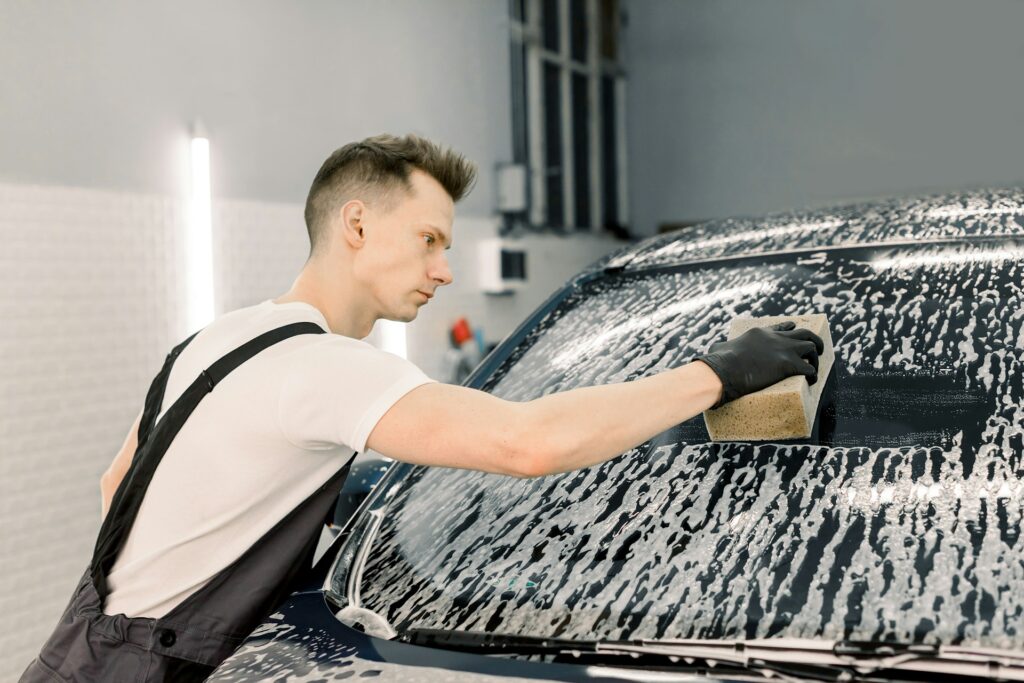
Cold weather in Fairfax brings more than just snowplows and shovels. It also brings road salt, which helps keep drivers safer on icy streets. But while salt is helpful for traction, it is rough on cars, especially windshields and windows. If you have ever noticed a white crust building up on the lower corners of your glass after a ride, that is the salt doing its work. The more it builds up over time, the more likely it is to cause damage.
That is why we think it is smart to stay ahead of the problem before it reaches the point where visibility or safety on the road becomes a concern. Getting proactive about protecting your windshield means fewer chances of dealing with cracks or cloudy haze from trapped salt. When these issues show up, many drivers look for auto glass services in Fairfax to help get things back in shape. Local problems often call for local solutions. We offer both mobile and in-shop auto glass repair throughout the Washington, DC, metro area, including Fairfax, so help is close by when winter salt begins to take a toll on your glass.
Why Road Salt Can Damage Auto Glass
Road salt is made to break down ice and snow, but with that comes a few trade-offs. It is a gritty, chemical-based material that does not just sit on tires or car panels. As you drive, salt sprays upward, clings to surfaces, and settles into small spaces around your glass. It is tough, sticky, and corrosive over time.
Here is how it can cause trouble for your windshield and windows:
- Salt particles are abrasive. They do not just layer on surfaces, they can grind against the glass with every windshield wiper pass or patch of slush kicked up from the road.
- In corners and edges of the windshield, salt tends to collect where the glass meets the frame. This can slowly weaken the bond between the glass and its seal, especially around older rubber seals or with existing wear.
- When temperatures dip below freezing and then rise again, water from melted snow gets trapped under layers of salt. This expansion and contraction put added stress on any existing chips or weak areas in the glass.
It is the combination of harsh chemicals, pressure, and exposure that wears things down, sometimes quietly until the damage is done.
Simple Habits That Help Keep Salt Off Your Glass
Avoiding road salt entirely is not realistic in Fairfax winters, but you can take a few simple steps to keep it from building up and causing damage. A little routine can make a big difference during snow season.
Try putting these habits into place:
- Get regular car washes during winter, especially after heavier snowfalls. Touchless or drive-thru washes are quick options, and they help rinse salt away from glass, trim, and seals.
- Between washes, use a damp microfiber cloth to wipe down your windshield and side windows. This helps take care of surface buildup before it starts to stain or corrode.
- Top off your washer fluid regularly and make sure it is rated for low temperatures. Salt spray can cloud up your windshield quickly while driving, and a strong fluid helps clear it fast without smearing it around.
These quick actions add just a few minutes to your day but may help avoid bigger problems down the line.
Parking Smarter to Avoid Salt Trouble
Even where you park in winter plays a role in how much salt your car glass ends up collecting. Some areas tend to pile on more residue over time, especially if they see heavy salting or snowplowing.
Think about small changes like these when choosing a parking spot:
- Park under cover when possible, like inside a garage or carport. It shields your vehicle from overhead snow and dripping meltwater laced with salt.
- Avoid pulling in too close behind snowplows or along roads that have just been treated. Those places often leave thick layers of salt and slush along the curb.
- Before and after driving, take a minute to brush off snow mixed with salt from your wipers, mirrors, and lower edges of the windshield. Even a dry brush or glove can help clear heavy residue from tight areas before it settles in.
This is not about changing everything you do. It is about noticing the little behaviors that expose your car more than needed during cold weather.
Catching Small Problems Before They Get Bigger
Once winter gets going, it is a good idea to watch closely for any early signs of glass stress. Even tiny marks can become bigger issues when you add salt, cold air, and windshield wipers all working against it.
Look for these red flags:
- Small chips, especially near the edge of the windshield or base of the glass
- Cloudy marks or faint lines that do not wipe away after cleaning
- Wipers leaving streaks that appear worse after storms
When we notice these signs, it is best to get them checked out quickly. Many drivers trust local auto glass services in Fairfax to help catch and fix the issue while it is still minor. Our technicians work on all vehicle makes and models, so most drivers can get the help they need in one place. That often keeps it from turning into a full replacement, especially when freezing temperatures are involved. Frozen glass can crack faster once stress lines take hold around a small chip.
Keeping an eye on your glass does not mean crawling around the car every day. It just means paying closer attention during your usual morning warm-up or after parking for the night.
Keep Your View Clear and Your Glass Strong This Winter
Winter roads in Fairfax come with snow-packed driveways, icy traffic lights, and heavy salt treatments. That salt is helpful but leaves a mess behind, one that can quietly take a toll on your auto glass if you are not looking for it. Thankfully, small steps like regular rinses, smart parking, and paying attention to minor changes can help protect your windows and windshield.
Salt does not usually cause damage overnight. It builds up little by little, and we start to notice it most when the glass does not clean as well or a chip suddenly turns into a crack. Knowing what to watch for and taking care of little problems early can go a long way toward keeping your view clear and your drive safe throughout the season.
Winter driving in Fairfax can be hard on your vehicle, especially when salt buildup begins to affect your windshield. Cloudy spots, minor chips, or hard-to-clean streaks after a storm may signal that it is time to take a closer look, and we at All State Auto Glass are here to help you stay ahead of damage by offering expert advice and support. For reliable help with auto glass services in Fairfax, contact us today to schedule a visit or ask questions.


