
Understanding the Safety Risks of Driving With a Chipped Windshield
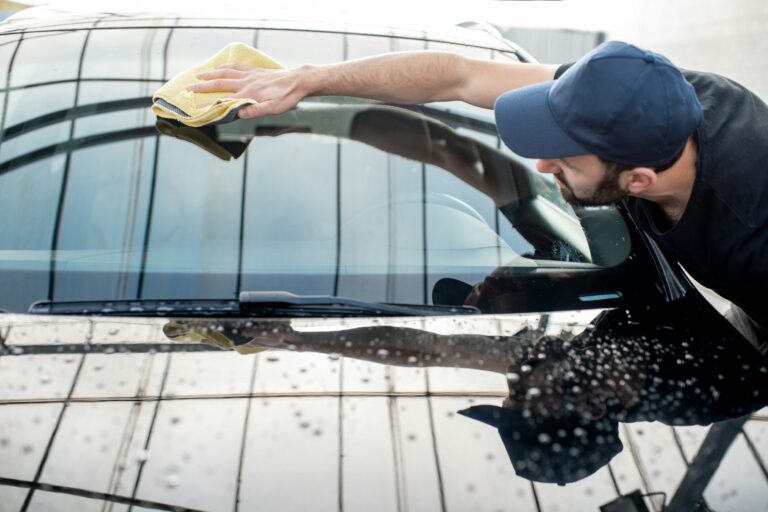
A tiny chip in your windshield might not feel like a big deal, especially when you’re busy or the roads are slippery with winter slush. But during the colder months around Fairfax, that small flaw can quickly turn into a much bigger problem. Freezing air, icy surfaces, and sudden temperature shifts make February a risky time to drive with a chipped windshield.
We have seen how fast things can change. That chip that seemed harmless last week can grow faster than you would expect. Getting windshield chip repair in Fairfax before bigger damage happens can make all the difference in staying safe on our busy winter roads. Our technicians have been repairing and replacing auto glass throughout the Washington, DC, metro area since 2000, so we know how quickly a chip can spread in freezing conditions.
What Happens When You Ignore a Chip
The dangers of leaving a chip alone go beyond just how it looks. Cold weather in February creates the perfect conditions for small chips to grow.
- Every time you hit a bump or drive over rough patches covered with ice, you put extra pressure on your windshield. Even minor jolts can push a chip into a full crack.
- When the temperature drops overnight and then you blast warm air inside your car in the morning, the glass expands quickly. This sudden change creates stress on already weakened spots.
- Driving through snow, slush, or puddles adds moisture to the cracks. That water can freeze overnight, making small damage worse without any warning.
Small problems do not stay small for long in winter. The sooner we deal with them, the better. When addressed early, a professional windshield repair can often improve the clarity of the damaged area by around 70 percent while helping restore the strength of the glass.
How a Damaged Windshield Affects Visibility
A clear windshield matters more than people often realize, especially when winter weather makes every drive harder. Even a small chip or crack can mess with your view in important ways.
- Cracks and pits tend to catch and scatter light. That means oncoming headlights or low sun can glare across your windshield, right into your line of sight.
- Snow and fog are common in Fairfax this time of year. If your windshield has any chips, tiny drops of water can settle into those cracks. When they freeze or fog up, they block more of your vision than the chip alone.
- Dark early mornings and shorter days make it even riskier. You do not want anything getting between you and a clear view of the road when visibility is already low.
The truth is, a cracked windshield is not just a nuisance. It is something that can limit your ability to react when it matters most.
Your Car’s Safety Features Rely on a Strong Windshield
Most drivers do not think about their windshield as part of their safety system, but it plays a big role in protecting everyone inside.
- Windshields help support the roof. If your car rolls during an accident, damaged glass cannot handle that pressure. That means the roof could cave faster than it is supposed to.
- Airbags depend on the windshield to work properly. When they fire off, they use the windshield’s strength to direct them into the right position. If the glass cracks or gives out, airbags may not stay in place.
- A cracked windshield weakens the overall structure of your vehicle. Whether it is a front-end collision or a side impact, your car will not perform the way it was designed to if the glass fails.
It is not always obvious, but that one small chip could put more at risk than just your view of the road.
Why Winter Makes Chips Worse in Fairfax
February in Northern Virginia can bring early morning frost, icy rain, and sudden thaws. That kind of weather is not just uncomfortable, it creates the perfect storm for windshield problems.
- Sharp temperature swings stress the glass. You might park outside in the cold, then crank the heat to defrost your windshield. That fast warming expands the glass, especially in any weak spots.
- Road salt gets kicked up onto your vehicle. It makes the windshield harder to clean and adds tiny scratches that can blend with existing chips. Over time, that buildup can cloud your view or lead to pitting.
- The freeze-thaw cycle is unpredictable. Water gets into windshield chips. When temperatures drop below freezing, that water expands inside the crack. Then, when it warms up again, the shift can cause the damage to grow longer or deeper.
Winter is not the time to wait and see what happens. Every drive in this kind of weather adds pressure to the glass.
Play It Safe Before the Crack Spreads
Nothing about driving with a chipped windshield in the winter feels urgent until something shifts. It does not take much, a cold snap, a new bump in the road, or even just parking outdoors one night, for that chip to grow.
The cold season in Fairfax adds stress to the roads, the vehicles, and the people behind the wheel. The best thing we can do is stay ahead of the damage. Small chips are easier to handle early. Waiting only adds the risk of needing bigger fixes later on. Windshield repairs we complete are guaranteed to hold their integrity for years, and if a repair later fails, we apply the cost of that repair toward your windshield replacement.
We know that one clear view through a healthy windshield can make the difference between a relaxed drive and a close call. Keeping the glass in top shape is one of the easiest ways to stay safer in winter traffic.
Noticing a chip in your windshield while driving on winter roads around Fairfax means it is best to act before it spreads. We have helped drivers handle damage early so they can stay safe during freezing mornings and icy commutes. Our mobile service makes it easy to take care of small issues without adding stress to your schedule. To learn more about how we handle windshield chip repair in Fairfax, take a minute to contact All State Auto Glass today.


