
Why Windshield Chips in Falls Church Spread Faster During Spring Rains
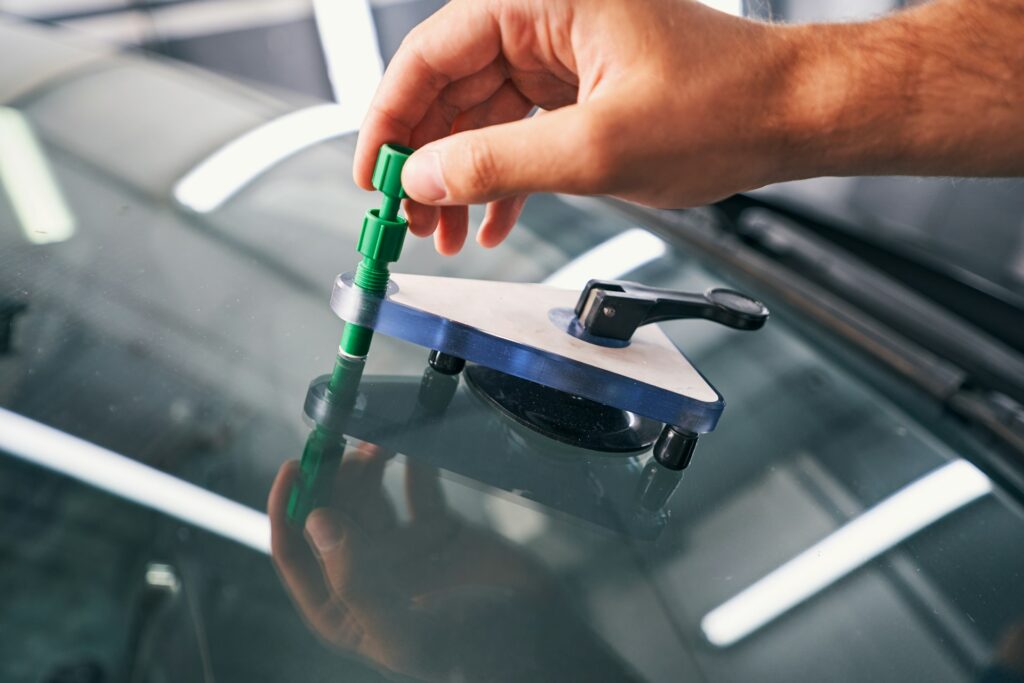
Windshield chips can sneak up on drivers. They might start as tiny dings and seem harmless at first. But once spring hits in Falls Church, those small chips can grow fast. With warmer days, rainy weather, and shifts in road conditions, the likelihood of damage spreading goes way up.
That’s what makes this time of year tricky. A crack you barely noticed in February can turn into a windshield problem by April. If that happens while you are stuck in traffic on Route 50 or parked under tree branches near Broad Street, it can disrupt your whole day. For anyone who needs auto glass repair in Falls Church, it is helpful to understand why spring can cause small chips to become a bigger concern than they first appear.
Why Spring Weather in Falls Church is Tough on Windshields
Falls Church weather in early spring is unpredictable. Mornings often start cold, then warm up quickly by the afternoon. Add in sudden bursts of rain and the occasional overnight chill, and your windshield is going through real stress.
These changes can cause small chips to spread because of how glass reacts to temperature swings. As the air warms and cools, the glass on your windshield expands and contracts. If there is even a small nick in the surface, this motion can pull at the weak point and make the damage worse.
Local driving makes it harder on the glass too. Potholes left behind from winter start to break open roads across the area. Whether you are driving through residential streets or heading east toward DC, the bumps, vibrations, and wet roads all contribute. Every splash, jolt, and shake puts stress on your windshield. If it is already damaged, it will not take much more before the crack spreads.
Why Small Chips Spread Faster Once the Rain Starts
Once spring rains begin, damage can worsen rapidly. Water may seem harmless, but it often makes existing windshield damage worse.
Here is what happens when water gets inside a chip:
- It seeps into the crack and sits there
- As temperatures change, the water expands and pushes against the glass
- This extra pressure causes the chip to grow outward
The edges of the chip, which are already weakened, break down even faster when moisture is trapped. When you are driving, every pothole or rough patch in the road adds more vibration. That movement rattles the glass, sending the crack even further.
Even on warmer days, your windshield can flex slightly. That is enough movement to make new cracks start or cause existing ones to stretch out. What looked like a small dot near the edge of the glass can slowly become a line you cannot ignore.
Common Driving Situations That Worsen Glass Damage in Spring
Some spring driving habits make it easier for damage to spread. Around Falls Church, a few common patterns can quickly turn chips into full cracks, especially once roads get wet.
Here are some of the usual trouble spots:
- Driving during heavy spring rain, especially during morning and evening commutes
- Sitting in traffic behind large trucks that splash road debris and toss up pebbles
- Parking under trees where falling twigs or unpredictable bursts of wind cause more windshield impact
These situations are hard to avoid in spring. Everyone’s schedule seems tighter, traffic increases, and storms come without much warning. That is why catching and fixing damage early is important. Many people overlook a small chip, only for it to spread during one of these scenarios.
When it comes to auto glass repair in Falls Church, having a windshield checked before the next downpour can save time later.
Why Waiting Too Long Could Mean Full Replacement
Timing can make the difference between a quick fix and having to replace the whole windshield. A small chip that could be sealed or stabilized might spread if ignored for weeks. This is even more likely once rain and temperature shifts are involved.
Here is where the tipping point often happens:
- If the crack grows to cover several inches or spreads into the driver’s line of sight
- If moisture seeps in and damages the area under the glass
- If the shape of the crack weakens the structural support of the windshield
At that point, a full replacement could be the only solution. That takes more time and interrupts your schedule. During spring, when people are preparing for travel or commuting more, additional repair delays can be a problem.
Addressing issues in March or early April is a better approach. If a chip has lingered since winter, spring is when it’s most likely to grow, especially during frequent rainy days.
Keep Spring Driving Safe and Stress-Free
Spring in Falls Church means extra time on the road, more rain, and bigger temperature swings. All of that puts pressure on small glass chips that may have seemed like no big deal just a few weeks ago.
When those chips grow into bigger problems, you do not just lose clarity on the windshield, you lose time handling a repair that could have been much simpler. Now is the right moment to give your glass a close look. If something seems off, getting it checked early can keep things smoother for the season ahead.
Once spring weather arrives in full, it is easy to forget about a small crack until it takes over your view. Addressing small issues now helps you stay focused behind the wheel later.
Seeing spreading cracks or chips this spring signals that it is time to address windshield damage before the weather makes the problem worse. We handle all types of windshield damage and understand how quickly small issues can become larger problems in Falls Church. Our knowledge of challenging seasonal changes helps us notice concerns others might overlook. Do not postpone auto glass repair in Falls Church because the next storm could escalate the damage. Contact All State Auto Glass today and let us help you stay clear and safe on the road.


